Visit our Retina Center in Lehi, UT
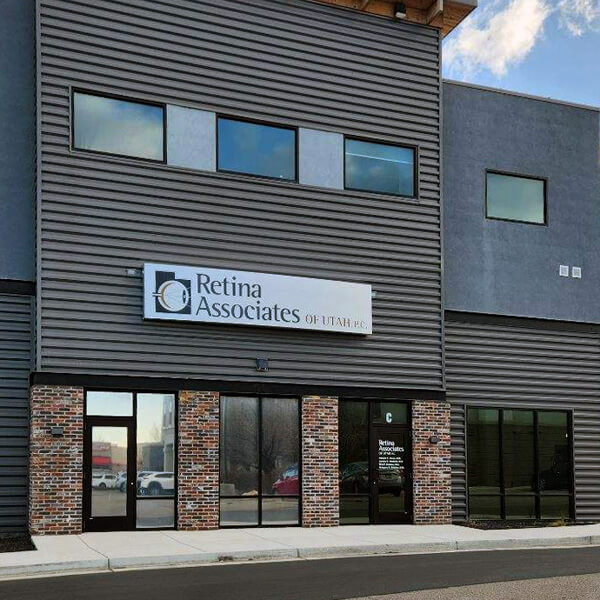
Address
3600 Ashton Boulevard, Suite C
Lehi, Utah 84043
(Use South Entrance)
Contact Information
Phone: (801) 899-3030
Fax: (801) 331-8789
What We Treat at Our Lehi Retina Center
If you or a loved one have been diagnosed with a retinal condition, you can count on the expert team at Retina Associates of Utah to provide advanced care close to home. Our Lehi clinic offers diagnosis, treatment, and ongoing management for a wide range of retinal diseases.
Diabetic retinopathy is a common complication of diabetes that damages the blood vessels in the retina, the light-sensitive tissue at the back of the eye. Over time, high blood sugar can cause these vessels to leak, swell, or close off entirely, leading to vision loss. In advanced cases, abnormal new vessels may form, increasing the risk of bleeding or retinal detachment. Early detection and ongoing care are essential to preserving vision.
Macular degeneration affects the central portion of the retina (the macula), which is responsible for sharp, detailed vision. The most common form — age-related macular degeneration (AMD) — can cause gradual blurring or distortion in the center of your vision. There are two main types: dry AMD, which progresses slowly and can lead to geographic atrophy (advanced thinning of the macula), and wet AMD, which involves abnormal blood vessel growth and more rapid vision loss. With regular monitoring and timely treatment, we can help preserve your central vision.
Retinal vein occlusion occurs when a vein that drains blood from the retina becomes blocked, often due to underlying conditions like high blood pressure or diabetes. This blockage can lead to swelling, bleeding, and vision changes. Depending on where the blockage occurs, either in the central retinal vein or a branch vein, symptoms and treatment may vary. Prompt evaluation is important to reduce complications and preserve vision.
Eye flashes and floaters are visual disturbances caused by changes in the vitreous, the gel-like substance inside the eye. Floaters often appear as small specks or cobweb-like strands drifting through your vision, while flashes may look like brief streaks of light. These symptoms are usually harmless, but a sudden increase in flashes or floaters could signal a retinal tear or detachment. If you notice sudden changes, it’s important to be seen promptly.
A retinal tear occurs when the retina develops a small break, which can sometimes lead to a retinal detachment — a more serious condition where the retina pulls away from the back of the eye. This can happen suddenly and may cause symptoms like flashes, floaters, or a shadow across your vision. Left untreated, retinal detachment can lead to permanent vision loss. Immediate treatment is often necessary to protect your sight.
The macula controls central vision and fine detail, making it essential for activities like reading and recognizing faces. Macular conditions include macular holes (small breaks in the macula), epiretinal membranes or macular puckers (scar tissue that distorts vision), and macular edema (swelling caused by fluid buildup). These conditions can lead to blurry or distorted vision but are often manageable with medications or surgery. Early diagnosis gives you the best chance at maintaining clear vision.
Many other conditions that can affect the retina, each with its own potential impact on vision. At Retina Associates of Utah, we diagnose and treat the full spectrum of retinal diseases with personalized, expert care. Examples include:
- Lattice degeneration, a thinning of the retina that may increase the risk of tears
- Retinoschisis, which involves splitting between retinal layers
- Uveitis, an inflammatory condition that can threaten vision if left untreated.
Whatever the diagnosis, our team is here to help protect your sight.